
Teeth Whitening 101: What Works, What Is Safe and What to Expect
Teeth Whitening 101: What Works, What Is Safe and What to Expect
A bright, confident smile can change how you feel in photos, at work and in everyday conversation. It is no surprise that teeth whitening is one of the most popular cosmetic dental treatments.
But with so many options on the shelf and online, from whitening strips and charcoal powders to LED kits, it is hard to know what actually works and what might harm your teeth. This guide breaks down how whitening works, your main options, and how to get lasting, safe results.
Why Do Teeth Become Stained or Yellow?
Teeth naturally darken over time, but several everyday factors speed it up. Stains generally fall into two categories.
Extrinsic stains are on the surface of your enamel. They come from things like coffee, tea, red wine, dark sauces, berries and tobacco. Plaque and tartar buildup can also make teeth look dull or yellow.
Intrinsic stains are inside the tooth. They can be caused by aging, as enamel thins and the yellowish layer underneath (dentin) shows through. Certain medications, excessive fluoride during childhood, trauma to a tooth or genetics can also play a role.
Understanding which type of staining you have matters, because it affects which treatment will work best for you.
How Does Professional Whitening Work?
Most professional whitening uses peroxide-based gels. The peroxide penetrates the enamel and breaks apart the molecules that cause discolouration, lightening the shade of your teeth from the inside. Unlike toothpaste that only polishes the surface, true whitening changes the tooth colour itself.
The concentration of the gel, the way it is applied and the length of treatment are all carefully controlled by your dental team to deliver effective results while protecting your gums and enamel.
Your Main Whitening Options
In-Office Whitening
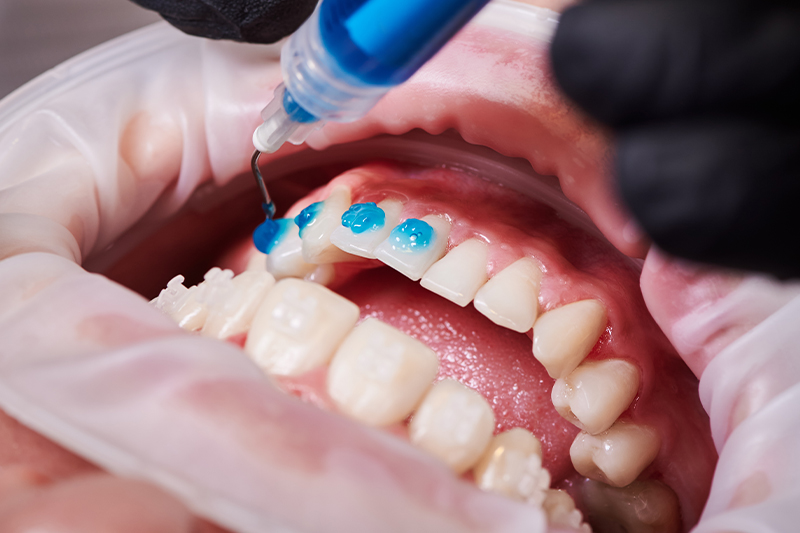
In-office treatment is the fastest route to a noticeably brighter smile. Your dentist protects your gums, applies a professional-strength whitening gel and may use a light or other activation method to enhance the process. Many people see a clear improvement in a single visit, usually within about an hour.
Best for: People with an upcoming event, those who want fast results, or anyone who prefers supervised treatment.
Custom Take-Home Whitening Trays
With this option, your dentist makes custom-fitted trays from impressions or scans of your teeth. You fill them with a prescribed whitening gel and wear them for a set time each day, typically over one to two weeks.
Because the trays fit your teeth precisely, the gel stays evenly in place and away from your gums, which helps reduce irritation. Results build gradually and can be very natural-looking.
Best for: People who like a gradual approach, want to whiten at home on their own schedule, or need occasional touch-ups later.
Over-the-Counter Products
Whitening strips, pens and toothpastes are widely available. Some can help lighten mild surface stains, but they tend to be lower in strength, and one-size-fits-all trays or strips may not fit your teeth well. Poor fit can lead to uneven results and gum irritation.
If you do use a store-bought product, choose one that carries a recognized dental association seal, follow the directions exactly and speak with your dentist first.
Whitening Trends to Be Careful With
Not every trending product is safe. Be cautious with:
- Charcoal powders and pastes. These are abrasive and can wear down enamel over time, without proven whitening benefits.
- DIY remedies like baking soda and lemon juice or vinegar. Acidic or abrasive mixtures can damage enamel and increase sensitivity.
- Unregulated kits. Some online products contain unknown concentrations of active ingredients.
Enamel does not grow back, so protecting it is just as important as brightening it.
Is Teeth Whitening Safe?
When done properly under professional guidance, whitening is considered a safe and well-established cosmetic treatment. The most common side effects are temporary:
- Tooth sensitivity, especially to hot and cold, which usually fades within a day or two.
- Mild gum irritation, typically from gel contacting the gums.
If you are prone to sensitivity, let us know. We can adjust the strength, shorten treatment times or recommend desensitizing products to keep you comfortable.
Who Is a Good Candidate for Whitening?
Most healthy adults are good candidates, but a dental exam first is important. Whitening may not be right for you, or may need to wait, if you have:
- Untreated cavities or active gum disease
- Exposed roots or significant enamel wear
- Very sensitive teeth
- Pregnancy or breastfeeding (whitening is generally postponed)
Also keep in mind that whitening only works on natural tooth structure. Crowns, veneers, bonding and fillings will not change colour. If you have visible dental work in your smile zone, we will help you plan so everything matches. In some cases, cosmetic dentistry options like veneers or bonding may be a better fit than whitening alone.
How Long Do Whitening Results Last?
Results vary from person to person, but many people enjoy their brighter smile for six months to two years or more. How long it lasts depends largely on your habits. Coffee, tea, red wine and tobacco will gradually darken teeth again.
To keep your results looking fresh:
- Rinse or drink water after coffee, tea or red wine.
- Use a straw for dark beverages when possible.
- Brush twice daily and floss every day.
- Avoid tobacco.
- Book regular cleanings. Professional cleanings remove surface stains and buildup that dull your smile. Learn more about our dental cleaning and checkup services.
- Ask about touch-ups. A short round of take-home whitening every so often can maintain your shade.
For the first 48 hours after whitening, teeth are more porous, so it is best to avoid heavily pigmented foods and drinks.
What Should You Expect at Your Whitening Consultation?
A good whitening journey starts with a conversation. At your consultation, your dentist will:
- Examine your teeth and gums to make sure whitening is appropriate.
- Discuss what is causing your discolouration.
- Talk through your goals, timeline and budget.
- Recommend the option, in-office, take-home or a combination, that suits you best.
- Explain what shade improvement is realistic for your teeth.
Honest expectations matter. Whitening can make a dramatic difference, but results depend on your starting shade and the type of stain. We will always give you a clear picture before you begin.
Get Your Brightest, Healthiest Smile
Teeth whitening is one of the simplest ways to refresh your smile, as long as it is done safely and with the right guidance. Skip the guesswork and the risky shortcuts, and let our team build a plan that fits your teeth, your lifestyle and your goals.
Ready to get started? Visit our teeth whitening page to learn more, or book a consultation with King & Weston Dental today.